Vocational Rehabilitation Case Study
Background & Challenges
Population: Students with moderate to mild intellectual disabilities, autism, & other special education needs
Geography: Rural Districts
Special Considerations: Maine Vocational Rehabilitation (VR) operates within a statewide initiative to provide VR services to students starting as early as fifth grade. Materials were purchased by the State Department of Education, for implementation in general and special education classrooms.
Challenges: VR counselors face limited interaction time with students, often just once or twice a month. This made it difficult to gather meaningful insights into students’ abilities & interests. Alignment between schools & VR staff needed strengthening to maximize the impact of the materials.
Key Takeaways
Maine VR’s journey offers actionable insights for effective program deployment:
1. Foster Collaboration: Close alignment between teachers & VR counselors is crucial for meaningful results.
2. Maximize Limited Time: Utilize Work Performance Benchmarks & teacher evaluations to optimize VR visits, ensuring impactful student interactions.
3. Leverage Career Fairs: Hosting regional career fairs extends the program’s reach and builds additional pathways for student success.
Solution Implementation
Teachers deliver career exploration lessons using Project Discovery and Achieve Life Skills that are stored in-house. Teachers also conduct the initial Work Performance Benchmark evaluations to gain insight into student aptitudes & maximize student time with VR counsellors. VR counselors can now focus on counseling & additional activities during visits, which helps build comprehensive student profiles.
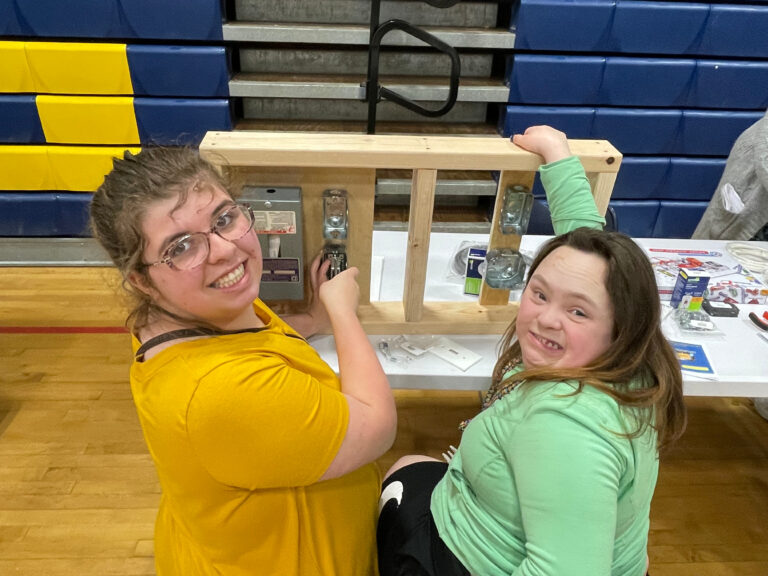
Students were also able to discover career interests through a unique, regional hands-on career fair that encouraged student engagement. At this career fair, students visited tables for several different career clusters, including medical, food service, and carpentry. Each table had a hands-on activity that reflected the type of work involved in that career cluster. Staff members modeled the task for students and then allowed them to practice the activity themselves. This exposure allowed students to have a greater understanding of what type of work is involved in different types of careers.
Results & Impact
This collaborative model has:
- Enhanced Teacher-VR Relationships: Improved communication and cooperation resulted in better assessments and transition planning.
- Increased Assessment Accuracy: VR counselors now rely on teacher-conducted evaluations for insights when 1×1 time is limited.
- Positive Student Engagement: Early anecdotal evidence suggests students gain exposure to meaningful career insights at an earlier age.
Summary
Maine’s experience highlights how systematic planning and collaboration can maximize the value of Project Discovery and Achieve Life Skills for diverse student populations. With ongoing investment in teacher training and school buy-in, the program has the potential to expand statewide and serve as a model for other VR organizations.