Vocational Rehabilitation Case Study
Background & Challenges
Population: Students with moderate to severe disabilities and autism
Geography: Mostly rural areas
Special Considerations:
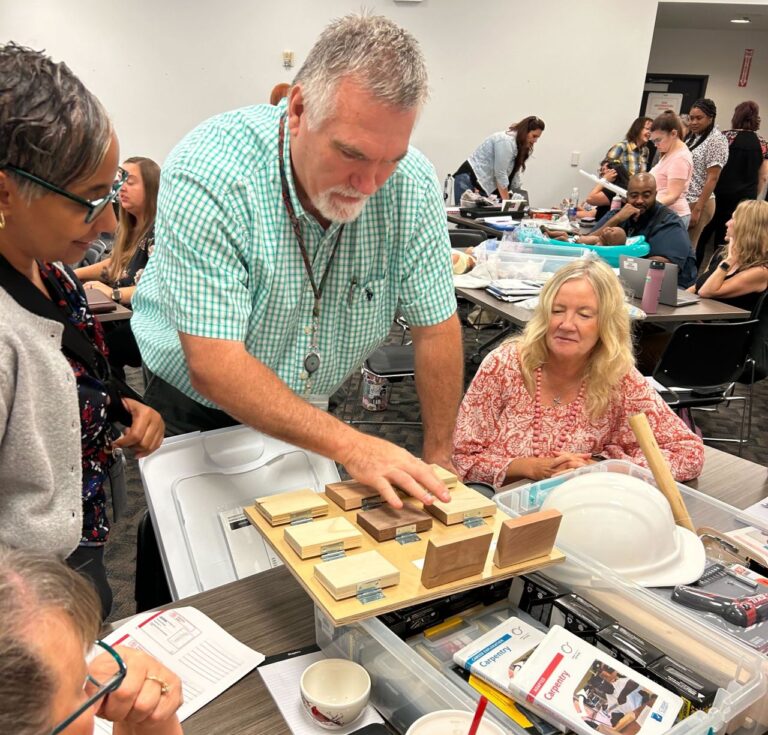
The need for hands-on materials tailored for students’ specific needs led Kansas VR to purchase four Adapted Series, one for each region. These portable kits allowed VR specialists to travel between school sites and provide job skills training.
Challenges: Staff on average only has 30-45 minutes per student per month. Need to have consistent progress tracking and streamlined use of the materials to maximize impact & deliver meaningful, comprehensive instruction.
Key Takeaways
Kansas VR’s approach offers valuable lessons for implementing Project Discovery:
1. Implement an Organized System: Efficient check-in/check-out systems and structured data collection improve resource tracking and accountability.
2. High Engagement: Pairing hands-on materials & visual learning aids allows students to more fully comprehend materials, leading to success for the Pre-ETS program.
3. Extend Learning Opportunities: Introducing after-school programs like career clubs can help serve more students and increase engagement.
Solution Implementation
Kansas VR’s innovative implementation model included:
- Check-In/Check-Out System:This approach ensures accessibility to portable materials while maintaining accountability and equitable access to all materials.
- On-Site Training: On-Site training session for all VR staff ensure collective buy-in, fidelity of instruction, and consistency of delivery.
- Prioritize High-Impact Activities: Identify and focus on key tasks that provide measurable outcomes within limited interaction times.
Results & Impact
The program achieved the following outcomes:
- Streamlined Operations: A successful check-in/check-out system allowed for organized and portable kit usage across regions.
- Focused Instruction: Staff used only the most impactful activities, improving efficiency and data collection.
- Broader Reach: Discussions to establish career clubs presented opportunities to engage more students, extend learning beyond regular school hours, and increase student exposure.
- Increased Excitement: The collaboration between schools and VR counselors built enthusiasm among staff, students, and parents, highlighting the potential for expanded services in the future.
Summary
Kansas VR’s model demonstrates how adaptability and resourcefulness can enhance the impact of Project Discovery, even in geographically dispersed regions with limited staff time. This approach is a model for scalability and further refinement in Vocational Rehabilitation services.